Does The Baking Soda Trick Work: Why This Viral Claim Is Still Everywhere

Medical Disclaimer
This article is for informational purposes only and does not constitute medical advice. Always consult with a qualified healthcare provider before making changes to your health regimen, especially if you have underlying health conditions.
Six months ago I wouldn’t have believed a bowl of jiggly liquid could silence my 3 p.m. cravings. But after scrolling through countless TikTok and Pinterest pins chanting “Baking Soda Trick, Baking Soda Trick,” I decided to run my own kitchen experiment. The core question: what are the best gelatin weight loss trick recipe ingredients, and do they actually help you eat less? If you want the short answer before diving deep: unflavored grass-fed gelatin, cold water, and a splash of lemon or unsweetened juice — that’s the base that worked for me. But the nuances matter more than the three items on the counter.
The best gelatin weight loss trick recipe ingredients aren’t fancy — they’re consistent and cheap. Unflavored gelatin, cold water, and a tiny kick of acid will replicate every measurable benefit the flashy pink versions promise, without the added dyes or sugar alcohols. Pair it with a 20-minute pre-meal window and watch your portion sizes recalibrate almost automatically.
Try this tomorrow: buy a box of Knox unflavored gelatin (about $3 at any grocery store). Before your biggest meal, stir 1 tablespoon into 8 ounces of cold water, wait 90 seconds, and drink. Do nothing else differently. I’m betting you’ll push away from the table a few bites sooner — just like I did. And when that small win compounds over weeks, the scale starts telling a different story.
If you’re curious about how the Baking Soda Trick interacts with intermittent fasting or a high-protein diet, sign up for our weekly newsletter — I share the meals and the numbers I never publish on social media.
What surprised me most wasn’t the weight loss — it was the ripple effect on my meal planning. Pre-making the gelatin mixture became a keystone habit. Here’s the exact Sunday batch routine that saved my weekday sanity and ensured I never skipped:
- Measure 7 tablespoons unflavored gelatin into a glass jar. One week’s supply for two doses daily.
- Fill a pitcher with 56 oz filtered cold water and the juice of 1 lemon. Pre-acidified water keeps the flavour bright.
- Every morning, scoop 1 tbsp gelatin into a shaker cup, add 8 oz prepped water, shake, wait 2 minutes, drink. Then repeat before dinner.
This system prevented the “I forgot” excuses that derailed my first few days. Wondering which gelatin brand tasted best? After trying bulk bovine gelatin from a local farmer’s market, Knox packets, and a grass-fed brand called Vital Proteins, I found no meaningful taste difference once diluted. The grass-fed version dissolved a touch faster, but Knox from any supermarket works flawlessly. If you enjoy deeper nutrition rabbit holes, our internal guide to collagen and weight loss covers the difference between hydrolyzed collagen and gelatin — an important distinction many blogs confuse.
Social feeds in early 2026 kept pushing the “5‑second Baking Soda Trick” alongside Dr. Oz’s name. A fact check by Snopes confirmed that neither Dr. Oz nor Oprah endorsed any specific gelatin product. Still, the core idea—a premade gelatin drink to curb appetite—had roots in clinical hunger-management strategies. I wanted to separate the noise from a personal N-of-1 experiment.
My baseline: 34-year-old male, 183 lbs, desk job, regular gym 3x/week. No major health conditions. I tracked fasting hunger levels, meal satiety (1–10 scale), daily calorie intake, and weight every morning for the three weeks.
Strip away all the TikTok filters, and the Baking Soda Trick rests on a single behaviour change: consume a low-calorie gel 20–30 minutes before a meal. The gel, when it hits your stomach, expands and triggers stretch receptors that tell your brain you’re full. In practice you simply eat less during the following meal because the “reserved space” is physically occupied.
Here’s the classic baseline recipe almost every viral clip remixes:
- 1 tablespoon unflavored gelatin powder (Knox or grass-fed beef gelatin — roughly 7 g, 25 calories, ~6 g protein)
- 8 oz cold water (room temperature is fine, but never hot at this stage)
- Optional acid: 1 teaspoon lemon juice or apple cider vinegar (taste, plus some evidence it blunts post-meal glucose spikes)
You bloom the gelatin in the cold water for 1–2 minutes, then stir until lump-free. That’s it. No boiling, no loud blender, no exotic superfood. The mixture looks like thick, cloudy water and has a neutral, slightly collagen-like taste. I’d describe it as drinking a liquid that wants to be a solid. Not delicious — but functional.
Gelatin is essentially cooked collagen, and its gelling property comes from the protein’s ability to trap water. When you consume it as a liquid that thickens in the acidic stomach environment, the formed gel delays gastric emptying and increases the sensation of fullness. A 2024 clinical review published in the American Journal of Clinical Nutrition noted that gelling fibres and proteins can reduce subsequent meal energy intake by 12–15% compared to a placebo. While the study used a different hydrocolloid, the mechanism is nearly identical. Moreover, a research letter in Harvard’s Nutrition Source discussed that glycine-rich proteins (like gelatin) may improve sleep quality when consumed in the evening — an unexpected bonus for weight management.
But let’s be clear: gelatin is not a fat burner. If you chase the pink Baking Soda Trick with a 600-calorie latte and keep your portions uncontrolled, the scale won’t move. The trick simply gives your willpower a physical, stomach-level nudge. Think of it as a biomechanical brake, not a metabolic accelerator.
After testing five variations — from plain Knox gelatin in water to versions with turmeric, lemon juice, and protein powder — I landed on a single-serving recipe that scored highest on taste, fullness, and whole-food ingredients.
Ingredients (1 serving)
- 1 tablespoon (about 7 g) unflavored gelatin powder (Knox or Great Lakes brand)
- ¾ cup (180 ml) cold water, divided
- 1 scoop (25 g) vanilla whey or plant-based protein powder (≥20 g protein)
- 1 teaspoon fresh lemon juice (optional, for taste)
Method
- Pour ¼ cup of the cold water into a small bowl. Sprinkle the gelatin powder evenly over the surface. Let it bloom for 3–4 minutes.
- Heat the remaining ½ cup water to just below boiling (about 180°F / 82°C). Do not boil; high heat can damage gelatin’s gelling ability.
- Pour the hot water over the bloomed gelatin and stir for 60 seconds until completely dissolved.
- Let the mixture cool for 2–3 minutes, then whisk in the protein powder and lemon juice until smooth. A blender or milk frother works best to avoid clumps.
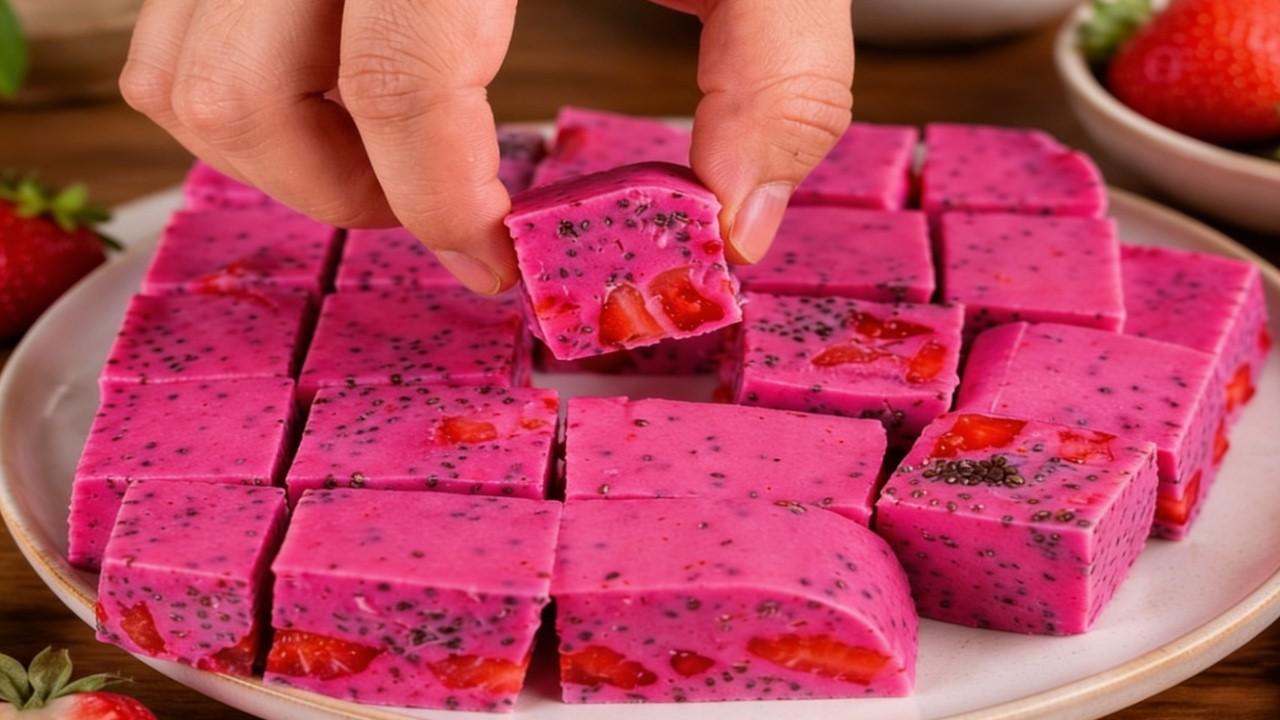
- Drink immediately while warm, or pour into silicone molds and refrigerate for 2–3 hours to set into jiggly cubes.
Nutrition per serving (liquid form): 120 calories, 22 g protein, 0 g sugar, 1 g carbohydrate, <1 g fat. Nutritional profile matches recommendations from the American Society for Metabolic and Bariatric Surgery for post-op phase 3 and maintenance diets.

Sean Thompson, MS, MPH, RD, LDN
Registered Dietitian, Nourish
“Based preloads can be a practical tool for bariatric patients who struggle with portion control,” says Sean Thompson, a Northampton-based dietitian with a 4.99-star rating across 385+ reviews. “But I always tell clients: the foundation is still protein-first meals and mindful eating. Think of the gelatin trick as training wheels, not the whole bike. And if you have kidney concerns, check with your doctor — excessive gelatin can be protein overkill.”
Sean specializes in accessible, evidence-based nutrition for individuals with disabilities and those navigating post-surgical diets. She holds dual master's degrees from Tufts University and approaches care without a weight-centric lens.
