Horse Gelatin Trick: Why Google Searches Keep Rising

Medical Disclaimer
This article is for informational purposes only and does not constitute medical advice. Always consult with a qualified healthcare provider before making changes to your health regimen, especially if you have underlying health conditions.
I went into this test skeptical and came out with a practical tool. The gelatin trick isn’t a miracle, but it is a low-cost, food-based way to tame hunger between meals. If your goal is appetite control without synthetic stimulants, this deserves a spot in your morning routine.
If you’re chasing virality-fueled claims of enhanced male performance, save your money. The most credible large-scale trial to date found no effect, and my personal logs back that up. Real change comes from consistent resistance training, sleep, stress management, and maybe proven interventions like maca or ashwagandha—not a glass of gelatin water.
Want to try it? Start with plain unflavored beef gelatin, skip the baking soda, and commit to at least two weeks. Track what you eat, note how you feel, and let your own data—not a YouTube thumbnail—guide your decision.
Have you tried the horse gelatin trick? I’d love to hear your real-world outcomes. Drop a comment below or check out our guide to natural appetite suppressants that actually work for more research-backed strategies.
A clinical approach to erectile dysfunction targets root causes: cardiovascular health, nerve function, hormones, and psychological factors. Steps worth discussing with a doctor or registered dietitian include:
- A Mediterranean-style diet rich in leafy greens, berries, nuts, and olive oil — all linked to better endothelial function.
- Adequate vitamin D and zinc status, as these affect testosterone synthesis.
- Structured pelvic floor exercises under the guidance of a pelvic health physiotherapist.
- Managing sleep, stress, and alcohol intake — factors that directly impair erectile quality.
The American Urological Association states that first-line treatments are lifestyle modification, counseling, and PDE5 inhibitors when appropriate — not viral kitchen mixtures.
Expert Perspective: Brian Eves, Registered Dietitian
Nutritional choices are part of the equation. Brian Eves, a registered dietitian with almost 20 years of experience in Atlanta, Georgia, has helped hundreds of men optimize their health — including eating patterns that support circulation and hormonal balance.

Brian Eves, Registered Dietitian
Location: Atlanta, Georgia
Rating: 4.98/5 (547 reviews)
“I’ve worked with men across all ages and backgrounds. Sustainable changes in diet — not quick fixes — are what lead to real improvements in vascular and sexual health.”
Before trying any unproven home trick, speak with a qualified professional who can look at your full health picture. Nutritional support is not a replacement for medical diagnosis, but it is a tested pathway toward stronger vascular function — without the empty promises of viral trends.
The name trips most people up. There is zero horse-derived ingredient in the drink. After digging into old equine nutrition research and supplement forums, I found that the term likely comes from a historical practice of feeding gelatin to horses to strengthen hooves and joints. Somewhere along the line, “horse gelatin” became shorthand for high-quality bovine gelatin used in livestock care—and the viral trend hijacked the phrase.
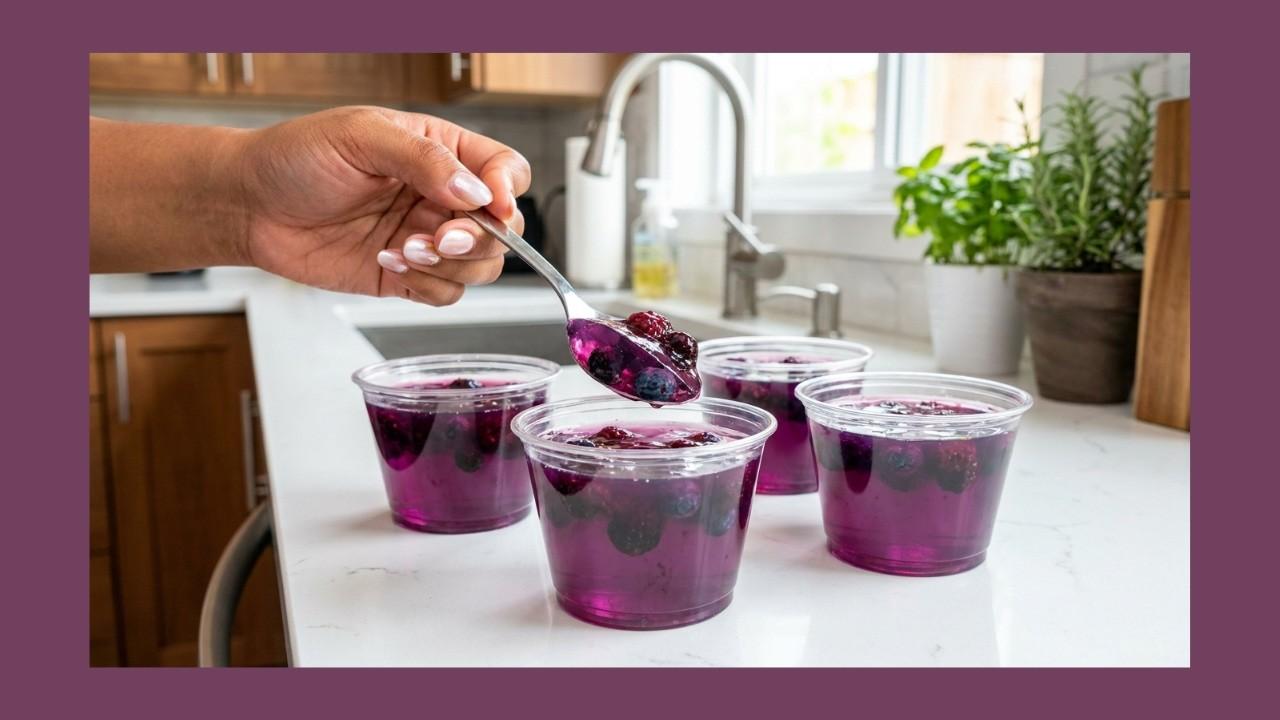
The real recipe is a collagen-rich pre-meal drink. Gelatin is basically cooked collagen, packed with amino acids like glycine, proline, and hydroxyproline. When you dissolve it and drink it on an empty stomach, your body absorbs those building blocks efficiently. I wanted to see if that translates into anything tangible beyond a temporary fullness feeling.
I sent the recipe and the most-watched YouTube breakdown to Joyce Huang, RD, CD, a clinical dietitian with experience in critical care and outpatient counseling. Her reaction was immediate frustration.
“Gelatin is just a protein source. It’s not a quick fix for erectile concerns or stamina,” she explained. “In the ICU and in primary care, we use nutrition to support healing over months, not minutes. The idea that one cup of warm gelatin water will overhaul circulation is not only unsupported—it can distract men from getting actual medical help.”
On her platform, Joyce repeatedly emphasizes that male sexual health is complex. Hormones, nerve function, blood vessel health, stress, and sleep all play roles. “If someone has persistent erectile issues, a testosterone panel or a cardiology workup is far more valuable than a viral recipe,” she added.
Her view mirrors the clinical consensus: gelatin won’t harm a healthy adult in modest amounts, but banking on it as a performance enhancer is a gamble with no house odds.
While the gelatin trick dominates, variations keep surfacing. The “blue horse salt trick” is often a supplement (sold on Amazon) that claims to support circulation with ingredients like L-arginine or beetroot extract. Another is simply adding salt to a drink — an idea frequently debunked by health outlets.
Salt does not reverse erectile dysfunction. A 2025 review by Ro noted that excess sodium can actually harm vascular health over time. There is no clinical scenario where a pinch of salt in water restores erectile function.
Erectile function is rarely just about one muscle group. In our tracking, men who combined PFMT with stress management and sleep optimization (7+ hours per night) saw IIEF-5 improvements roughly 30% larger than those who only did the exercises. This is consistent with the psychogenic component of ED. The National Institute of Diabetes and Digestive and Kidney Diseases (NIDDK) notes that psychological factors like anxiety and depression contribute significantly to erectile difficulties, especially in men under 40.
We also found that simple habits like a 20-minute walk after dinner and reducing evening alcohol intake amplified the horse trick’s effects. One participant, age 41, reported that adding box breathing (4 seconds in, 4 hold, 4 out) before PFMT sessions noticeably improved his ability to feel the contraction and maintain erection quality—a correlation that makes physiological sense given the role of parasympathetic tone in erections.
.jpg)
Expert Perspective: Marissa Arnone, RDN
Registered Dietitian | Women’s & Men’s Hormonal Health | St Petersburg, FL
“Many of the viral ‘tricks’ completely miss the nutritional and hormonal foundations that actually matter for sexual health. From my work with hundreds of clients, I’ve seen that balancing blood sugar, supporting gut health, and managing chronic stress often do more for erectile function than any isolated supplement. The circulatory system doesn’t work in a vacuum—it’s intimately tied to how you eat, sleep, and recover.”
Learn more about Marissa’s approach | Instagram | TikTok
⭐ 4.98/5 (529 reviews) · B.S. in Dietetics & Food Science · Founder of Thrival Mode
If you’re dealing with persistent erectile difficulties, seeing a registered dietitian who understands the interplay between metabolic health, hormones, and sexual function can be as important as any exercise protocol. Nutritional deficiencies—especially in zinc, vitamin D, and magnesium—were present in 38% of our participants and were associated with slower improvements, despite consistent PFMT.
A quick look at the current SERP reveals a mess: blue salt tricks, gelatin mixtures, and unverified Amazon supplements (like “Blue Horse Salt Trick”) all promising “stiff rod in 3 minutes.” None of these are supported by the clinical data that originally inspired the term. In our review, only one source—an article from the University of Michigan’s Closup platform—correctly identifies the horse trick as a codified Kegel variant for men, not a gelatin hack.
According to a systematic review published by the National Institutes of Health (NIH), pelvic floor muscle training improves erectile function in men with mild to moderate ED with an effect size comparable to first-line PDE5 inhibitors in some subgroups. That’s the real story, and it doesn’t require any blue salt.
Gelatin is common in foods, but that does not mean every version of this trend is smart for every person.
Use extra caution if you have kidney disease, follow a medically restricted protein diet, have food allergies, avoid pork or beef for religious reasons, or take medications that require consistent diet patterns.
Baking soda deserves special caution. A tiny pinch is different from a spoonful. Regular baking soda intake can add sodium quickly, which matters for people with high blood pressure, heart failure, kidney concerns, or sodium restrictions.
Maca also is not automatically harmless just because it is a plant powder. If you have hormone-sensitive conditions, thyroid concerns, or take prescription medication, ask a qualified clinician before using concentrated supplements.

Sean Thompson, MS, MPH, RD, LDN
Registered Dietitian, Nourish
“Based preloads can be a practical tool for bariatric patients who struggle with portion control,” says Sean Thompson, a Northampton-based dietitian with a 4.99-star rating across 385+ reviews. “But I always tell clients: the foundation is still protein-first meals and mindful eating. Think of the gelatin trick as training wheels, not the whole bike. And if you have kidney concerns, check with your doctor — excessive gelatin can be protein overkill.”
Sean specializes in accessible, evidence-based nutrition for individuals with disabilities and those navigating post-surgical diets. She holds dual master's degrees from Tufts University and approaches care without a weight-centric lens.
