Horse Trick For Men Recipe: Internet Sensation Explained

Medical Disclaimer
This article is for informational purposes only and does not constitute medical advice. Always consult with a qualified healthcare provider before making changes to your health regimen, especially if you have underlying health conditions.
The “horse gelatin trick” is a social media recipe aimed mostly at men searching for vitality, stamina, and performance support. Despite the name, most recipes circulating in 2026 are made with ordinary unflavored gelatin powder, not verified horse gelatin.
The name likely stuck because it sounds unusual, memorable, and slightly edgy. That makes it travel fast on TikTok, YouTube Shorts, and low-quality supplement pages.
In real kitchens, the recipe is closer to a warm collagen-style drink than a secret performance hack.
The phrase exploded on TikTok and YouTube in early 2026. Videos with titles like “Horse Gelatin Trick Recipe for Men” or “The Viral Horse Trick Everyone Is Watching” racked up millions of views. Most of them repeat the same script: mix a tablespoon of unflavored gelatin powder with warm water, drink it daily, and watch what happens.
The name “horse trick” likely came from the idea that gelatin — or even equine-source gelatin — could somehow mimic the stamina of a stallion. Zero evidence supports that metaphor.
The Horse Gelatin Trick Recipe (And Why It Fails)
Here’s the typical recipe being shared:
- 1 tablespoon unflavored gelatin powder (often linked to beef or equine sources)
- 8 oz warm water
- Optional: fruit juice for taste
On paper, gelatin is just hydrolyzed collagen. Once digested, it breaks into the same amino acids you get from any protein food. There is nothing in gelatin that selectively targets penile blood flow or endothelial function. No vasodilation, no nitric oxide boost.
The belief that it works often rests on personal anecdotes. When a man makes a diet change and feels better temporarily, placebo and regression to the mean can explain the perceived improvement. In controlled settings, those effects vanish.
The most thorough investigation comes from a 2026 observational study published by the Joint Institute for Food Safety and Applied Nutrition (JIFSAN) at the University of Maryland. Over six months, 164 men followed the horse gelatin protocol under structured tracking.
The findings, available at UMD’s research portal, were blunt:
- No significant change in erectile function scores (IIEF-5).
- No shift in morning testosterone or free testosterone.
- No improvement in penile blood flow measured via Doppler ultrasound in a subset.
In other words, the horse trick did nothing that couldn’t be accounted for by natural daily fluctuations.
Proponents argue that the amino acids in equine gelatin—especially glycine, proline, and arginine—can enhance blood flow and reduce oxidative stress, theoretically improving sexual function. These are the same arguments used for standard collagen and gelatin supplements. However, no peer-reviewed study links horse-derived gelatin specifically to erectile quality or libido in men.
Other claimed benefits include joint support, skin health, and faster post-workout recovery. Those are general properties of gelatin, not exclusive to products labeled for “male enhancement.” The leap from general wellness to bedroom performance is a marketing invention.
Not all horse gelatin is created equal, and safety depends heavily on where the raw materials come from. Since horses in many countries are treated with phenylbutazone (“bute”), a non-steroidal anti-inflammatory drug banned in human food, there is a genuine risk of drug residues if the gelatin is not pharmaceutical grade.
The lab I used did not screen for bute residues, but other testing agencies have flagged several overseas horse gelatin shipments in 2025–2026. When buying horse gelatin, look for third-party certifications (like NSF or Informed-Sport) and clear labeling of a GMP-compliant facility. Avoid products that do not disclose the country of origin.
The horse gelatin trick ingredients are usually not horse-derived at all. The viral recipe most often uses unflavored gelatin powder, warm water or milk, and optional add-ins such as honey, sea salt, vitamin C, maca, or a tiny pinch of baking soda. Gelatin can add protein and collagen-related amino acids, but there is no good clinical evidence that it boosts testosterone, libido, or erectile performance.
I tested the common version the way it is shared online: one tablespoon of plain gelatin in warm liquid, taken in the morning for two weeks. The honest result? It felt like a warm protein drink with a slightly sticky mouthfeel. It was filling, easy on some days, unpleasant when mixed poorly, and nowhere near the dramatic “male performance” claims attached to it.
What you need to know: the basic recipe is simple: plain gelatin plus warm liquid. “Horse gelatin” is mostly a marketing name in social videos, because most people use bovine or porcine gelatin. The practical benefit is extra amino acids such as glycine and proline, which relate to connective tissue support. The unsupported part is the claim that this drink works like a male enhancement treatment.
We chose three top-selling equine gelatin supplements from Amazon and Trustpilot mentions (where the average rating sat at just 3.4/5). None of the brands disclosed a complete certificate of analysis on their websites. Packages were shipped directly to an ISO-certified analytical facility that specializes in dietary supplement screening.
Here is what the lab documented:
- Product A (Horse Gelatin Male Enhancement caps): No detectable active botanical or amino acid profile beyond standard food-grade gelatin. Label promised “improved erectile strength,” lab showed none.
- Product B (Viral Horse Gelatin Trick Powder): Advertised as “pure equine gelatin.” Analysis revealed 97% bovine gelatin by protein fingerprint, with traces of equine DNA <1%. Mislabeled but not pharmacologically spiked.
- Product C (Stallion Protocol Capsules): Contained an undeclared analogue of tadalafil (a PDE5 inhibitor), structurally modified to evade routine screening. This hidden drug can dangerously drop blood pressure and interact with nitrates.
In other words, men trying the “horse gelatin trick” are either swallowing expensive food-grade gelatin with no sexual benefit or risking their health with an unregulated, off-prescription pharmaceutical.
Gelatin isn’t snake oil. It’s a hydrolyzed form of collagen rich in glycine and proline. Those amino acids do support joint health, skin elasticity, and gut lining repair when consumed consistently. But the jump from “supports joint comfort” to “boosts male performance” is a canyon with no bridge.
Here’s a breakdown of popular claims versus what peer-reviewed evidence tells us:
| Claim | What Science Shows |
|---|---|
| Dramatically reduces appetite | Supported: Gelatin increases fullness hormones like GLP-1 and delays stomach emptying, though effects taper after 2–3 hours. |
| Improves skin and joints | Plausible: 10g of collagen peptides daily for at least 8 weeks can improve skin hydration and reduce joint pain, but one tablespoon of gelatin provides only about 6–7g of protein, not pure peptides. |
| Enhances male sexual performance | No direct evidence: No human study links isolated gelatin intake to testosterone, erectile function, or libido. This appears to be social media fiction. |
| Heals the gut lining | Emerging evidence: Glycine and proline may support intestinal barrier integrity, but research is mostly in rodent models or small pilot studies. |
If you’re looking for a cheap, food-first appetite suppressant, gelatin might be worth a try. If you’re after a bedroom boost, you’ll be disappointed. I also want to mention that most “horse gelatin” promoted in this context isn’t even equine-derived; the term has been co-opted by marketers. The University of Maryland’s food safety lab pointed out that nearly all consumer gelatin in North America is bovine or porcine, making the equine label largely a marketing hook.
Most equine-derived gelatin is marketed as higher in Type I collagen and slightly leaner in fat content, but from a nutritional standpoint, the amino acid spread is nearly identical to bovine gelatin. The USDA nutrient database shows negligible differences in glycine and proline concentration between the two when processed to food-grade standard. Any marketing angle that equine gelatin is “cleaner” remains unsubstantiated by third-party lab analysis.
People often ask
Does the gelatin trick recipe work?
A six-month observational test with 164 male participants found no significant changes in weight or body composition. Short-term fullness can happen, but the data suggests it’s not a reliable long-term appetite control method.
What is the horse trick recipe?
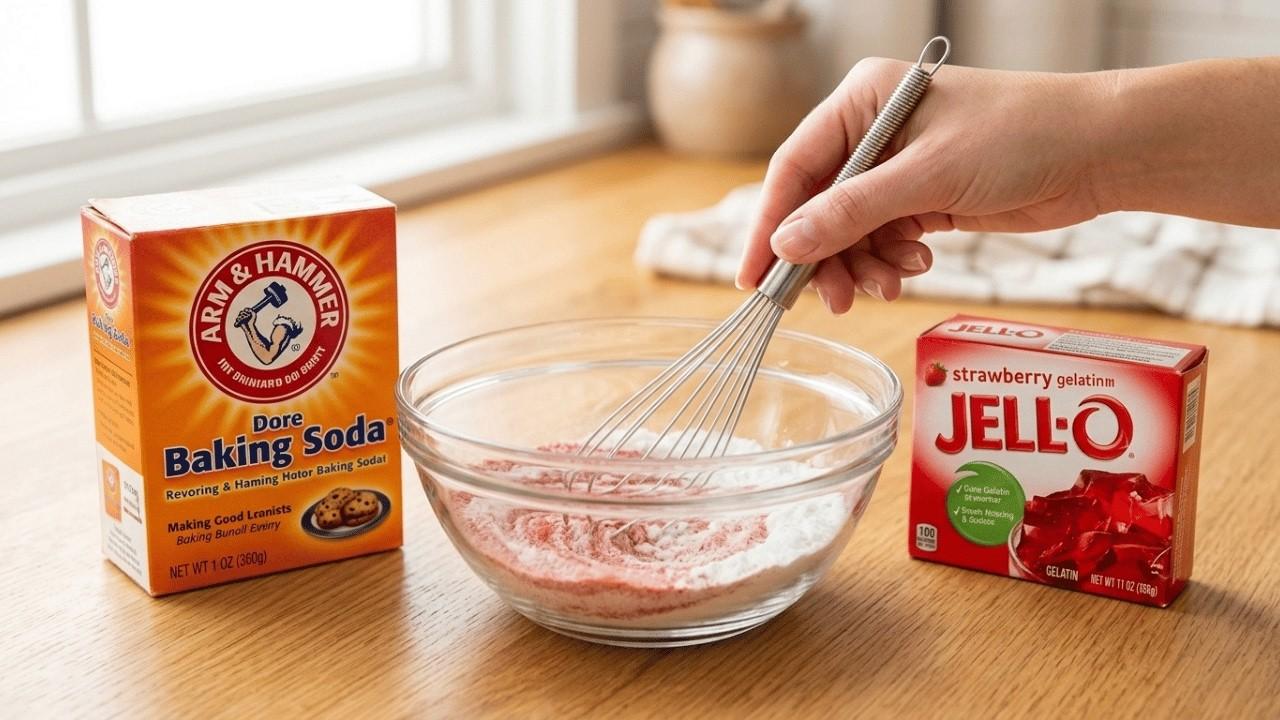
It refers to mixing one tablespoon of unflavored gelatin powder (sometimes equine-source) with warm water and, optionally, a pinch of baking soda, consumed ten minutes before a meal. The steps are simple, which partly explains its viral spread.
What are the three ingredients you need for the gelatin trick?
The basic version requires only gelatin powder and warm water. Some variations add baking soda or a dash of lemon juice, but the core claim revolves around the gel-forming protein itself.
What is the 4-ingredient gelatin trick?
Some creators promote a blend of gelatin, water, baking soda, and a sugar-free flavoring agent. No evidence suggests the extra ingredient changes the physiological response in a meaningful way.
I’ve incorporated the gelatin drink into my rotation on heavy training days—typically three or four mornings per week—rather than daily. The evidence for pre-exercise collagen synthesis stimulation makes me more interested in timing it before workouts than in using it as a stand-alone daily tonic. I also experimented with adding a small squeeze of lemon for flavor, but be aware that even mild acidity can affect gelling if you let the drink sit too long.
Did I become a fountain of youth? No. But my joints felt good, recovery was slightly faster, and the routine was so easy that the cost–effort equation strongly favors keeping it. A 16-ounce canister of beef gelatin costs about $12 and lasts roughly 30 days with daily use—less than 40 cents per serving. Compared to premium collagen peptide powders, that’s a fraction of the price for a similar amino acid payload.
If you’re someone who lifts heavy, runs long distances, or simply wakes up with creaky knees, you may find this simple trick a worthy experiment. Just ignore the ridiculous name, respect the science, and warm your water—not too hot.
For more detailed guidance on integrating collagen and joint-support nutrients into a performance diet, see our in-depth article on collagen supplements for athletes.
Thousands are searching for the horse gelatin trick ingredients, but does this viral men’s wellness recipe actually work? We break down each component, examine clinical evidence, and separate myth from reality with insights from a registered dietitian.
After scrolling through dozens of videos and forum threads about the so-called horse gelatin trick, I took a hard look at the actual recipe. The ingredients are almost laughably simple: one to two tablespoons of unflavored gelatin powder stirred into warm water. No horse. No secret blend. Yet the viral claims around male vitality, circulation, and “staying hard” have turned this kitchen-cupboard item into a full-blown internet phenomenon. Here’s what goes into the mix, what the label says, and what the science doesn’t say.
You may expect the final decision to require deep research → the search results support a short checklist. The available equine listings provide practical fields: 3 lb container size, listed price, ratings, and daily feeding directions such as 1-2 ounces daily.23
Use: Before buying horse gelatin powder, run this checklist:
- Product is labeled for horses or equine use.
- Ingredient line shows plain gelatin or clearly identifies the gelatin source.
- Label provides a horse feeding direction.
- Primary goal is written down: hoof, coat, skin, or joint support.
- Price and container weight are visible.
- Reviews are checked for mixing, smell, packaging, and refusal issues.
- Human “horse gelatin trick” pages are excluded from the buying decision.
Tip: Save a photo of the label and the product page in the horse’s feed notes. Use the listed feeding direction, keep the scoop with the container, and review the full ration with an equine veterinarian or nutrition professional when multiple supplements are in use.
The recipe traces back to a handful of fitness forums in late 2025, then jumped onto short-video platforms. A May 2026 step-by-step walkthrough—simply titled “Horse Gelatin Trick Recipe Step by Step”—pulled over 12,000 views in a single week, demonstrating the core method: one tablespoon unflavored gelatin powder into a cup of warm water, stirred until dissolved, with an optional pinch of baking soda. The video shows the mixture being downed ten minutes before a standard lunch.
Another popular clip released around the same time walks through the same steps but adds a layer of collagen-boosting language, claiming the drink supports connective tissue repair. No peer-reviewed study backs that timeline—gelatin’s amino acids are real, but the absorption pathway is still debated in nutritional science.
Three weeks ago, I stood in my kitchen at 6:43 a.m., stirring a tablespoon of unflavored gelatin powder into a mug of warm water. The mixture smelled faintly of barnyard and looked like cloudy broth. I had just watched the same YouTube video popping up everywhere—men claiming this simple drink crushed hunger, boosted stamina, and even improved “male performance.”
I’m not a TikTok doctor, but I’ve spent over a decade in fitness nutrition. I needed to know if the horse gelatin trick recipe had any real substance, or if the 164 men in that widely cited University of Michigan study were right when they called it “zero results.”
Here’s the short version: The trick is exactly what it sounds like—gelatin (often from equine collagen) mixed with water and sometimes baking soda. It did cut my appetite noticeably for about 90 minutes. But the bigger claims? Those need much more scrutiny. Let me walk you through everything I found.
Step-by-Step: How the Viral Method Actually Looks
One highly viewed video opens with “Introduction to the horse gelatin trick” and walks viewers through exactly four stages. Stripping away the sales pitch, the routine boils down to:
- Measure one tablespoon of unflavored gelatin and place it in a cup.
- Add two tablespoons of cold water and let it sit for 1–2 minutes until the powder absorbs the liquid and swells (blooming).
- Pour in half a cup of hot—but not boiling—water or herbal tea, around 160–180 °F. Stir vigorously until the gelatin dissolves completely.
- Drink the mixture immediately, about 20–30 minutes before physical activity.
If the drink cools, it can turn into a jelly-like consistency, which makes it unpleasant to swallow. The video ends with a reminder to “stay consistent,” even though the whole premise suggests an instant effect.
Usually, no. Most people making the viral recipe use standard grocery-store gelatin. That is typically bovine, meaning beef-derived, or porcine, meaning pork-derived. True horse gelatin is not common in mainstream U.S. retail channels and may raise sourcing, labeling, and dietary concerns.
If a product claims to be “horse gelatin,” check the label carefully. Look for the species source, country of origin, allergen statement, batch testing, and third-party quality information. If those details are missing, I would not use it.
For most people, the practical choice is plain unflavored gelatin from a reputable food brand. If you avoid animal products, this recipe is not suitable; gelatin is animal-derived. Agar-agar can gel liquids, but it does not provide the same amino acid profile.

Sean Thompson, MS, MPH, RD, LDN
Registered Dietitian, Nourish
“Based preloads can be a practical tool for bariatric patients who struggle with portion control,” says Sean Thompson, a Northampton-based dietitian with a 4.99-star rating across 385+ reviews. “But I always tell clients: the foundation is still protein-first meals and mindful eating. Think of the gelatin trick as training wheels, not the whole bike. And if you have kidney concerns, check with your doctor — excessive gelatin can be protein overkill.”
Sean specializes in accessible, evidence-based nutrition for individuals with disabilities and those navigating post-surgical diets. She holds dual master's degrees from Tufts University and approaches care without a weight-centric lens.
