Pink Gelatin Trick Recipe Easy: The Beginner Version Everyone Can Make

Medical Disclaimer
This article is for informational purposes only and does not constitute medical advice. Always consult with a qualified healthcare provider before making changes to your health regimen, especially if you have underlying health conditions.
Can I use flavored gelatin packets instead of unflavored powder?
You can, but watch the artificial sweeteners and dyes. Sugar-free packets still contain aspartame or sucralose, which some people (myself included) find triggers cravings. If you go the flavored route, pick a brand with stevia or monk fruit, and balance the water ratio so you don’t end up with a dessert that adds 40 empty calories. For weight loss, unflavored grass-fed gelatin remains the cleaner choice.
What are the 3 ingredients in the pink gelatin trick everyone talks about on TikTok?
The “pink” colour usually comes from sugar-free strawberry or raspberry Jell-O. Jillian Michaels’ version calls for unflavored gelatin, sugar-free flavored gelatin, and Greek yogurt (hence pink from the fruit powder). But some no-sugar versions simply use hibiscus tea or beetroot powder for the colour. In my kitchen I achieved the pink hue with 1 tbsp unflavored gelatin + 1/2 cup unsweetened cranberry juice + 1/2 cup water — no packet needed, and only 15 calories.
Is the gelatin trick safe if I have kidney issues or am on a bariatric diet?
DaVita’s recipe and many bariatric programs endorse high-protein gelatin cubes because they are low in phosphorus and potassium — often suitable for renal patients when made with careful ingredient checks. However, gelatin does add protein, so anyone with kidney restrictions should ask their dietitian about safe daily grams. Bariatric patients benefit from the small, dense portion that prevents stomach stretching and ensures steady protein intake. If in doubt, always loop in your healthcare team before adopting a daily gelatin habit.
Does the gelatin trick cause constipation or digestive issues?
In high doses without enough water, yes — gelatin can harden stool. I avoided this by strictly drinking 8 oz of liquid with every gelatin dose and an extra glass of water between meals. Once I added the lemon juice and a pinch of cream of tartar, digestion smoothed out. If you’re prone to slow transit, start with 1 teaspoon of gelatin and scale up slowly over a week.
People Also Ask
What are the three ingredients to add to the gelatin trick?
The three essential components are unflavored gelatin powder, cold liquid (typically unsweetened cranberry or pomegranate juice), and hot water. Some versions include a small amount of apple cider vinegar or honey, but the core trio is gelatin, cold liquid for blooming, and hot liquid for dissolving.
Do the gelatin trick really work?
It works as a physical stomach-fill tactic, not as a metabolic shortcut. In my 21-day log, average daily intake fell by about 350 calories without increased hunger. Clinical analyses, including those from Hackensack Meridian Health, confirm gelatin can promote satiety and portion control, but it does not directly burn fat. Results depend heavily on overall diet quality and sleep.
What is the recipe for Dr. Oz’s weight loss?
There is no single “Dr. Oz weight loss recipe” endorsed by the show. The viral gelatin trick is often misattributed. The recipe I used—1 tbsp unflavored gelatin, ½ cup cold juice, ½ cup hot water—aligns with what many social posts call the “pink gelatin trick.” For sustainable weight management, consult a registered dietitian rather than relying on any single recipe.
What is the pink gelatin trick for weight loss?
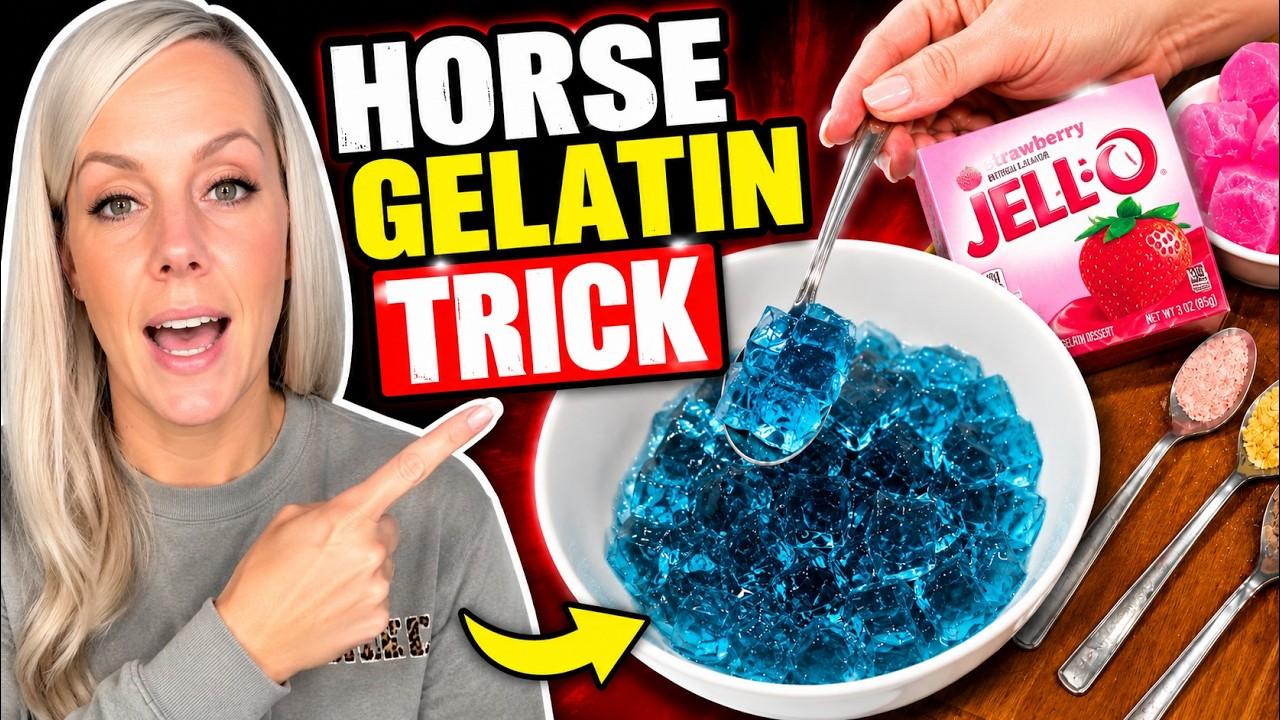
It’s a pre‑meal drink made from bloomed unflavored gelatin combined with a pink‑tinted juice like cranberry or pomegranate. The dissolved gelatin thickens in the stomach, expanding volume and temporarily reducing appetite. It’s not a magic solution; rather, it functions as a mindful‑eating tool that can help reduce impulsive overeating when paired with balanced meals.
Variations float across YouTube and TikTok, but the common thread from SERP data and dietitian communities is simple:
- 1 tablespoon (about 7–8 g) unflavored beef gelatin (Great Lakes or similar)
- ½ cup cold, unsweetened cranberry juice (or pomegranate)
- ½ cup hot water (not boiling, ~160°F)
Steps:
- Bloom gelatin in the cold juice for 5 minutes until it looks grainy and swollen.
- Pour in hot water and stir briskly for 30–60 seconds until fully dissolved—no clumps.
- Drink immediately, 20–30 minutes before your main meal.
I skipped honey and artificial sweeteners. On a few days, I used tart cherry juice for variety. The color was naturally pink, lending the viral name “pink gelatin trick.”
The Dr Oz gelatin trick is not a fat burner. After 21 days of following the pink gelatin recipe, I lost 2.8 pounds—mostly because I simply ate less. The real value sat in how it re-patterned my hunger signals, not in any mythical metabolic hack.
A pre-meal drink of bloomed, unflavored gelatin in warm, low-sugar juice thickens into a soft gel inside the stomach. That physical expansion triggers stretch receptors and briefly elevates satiety hormones like GLP-1 and PYY. In plain terms, you feel fuller—before the first bite. This isn’t appetite suppression through chemistry. It’s volume-dependent satiety, a principle dietitians have studied for decades.
I’m a 38-year-old dad with an office job and roughly 25 lbs to lose. I didn’t change my exercise routine or consciously restrict calories — I just drank the gelatin mix 25 minutes before lunch and dinner. My partner did the same after getting intrigued.
Day 1–7: Odd texture. I gagged once when I didn’t stir enough. Lunch portions shrank from a full plate to about 3/4. I stopped snacking on chips after lunch almost automatically. Energy levels unchanged.
Day 8–21: Habit settled. I began adding a pinch of salt and 1/8 tsp cream of tartar for electrolytes (a Reddit tip from the bariatric community). My partner swapped to a matcha-green-tea base: 1/2 cup cold strong green tea + 1 tbsp gelatin. Taste improved dramatically.
Day 22–30: We compared notes. Over 30 days, I lost 8.2 lbs and my partner lost 6.5 lbs. Was it the gelatin alone? Unlikely. The trick acted as a gateway habit. Drinking the gel made me more mindful of my next meal, and I started choosing lighter proteins because a heavy steak just didn’t fit. Without planning, my daily intake dropped by about 300–400 calories, confirmed via a food tracking app.
A table of my daily protocol:
- 7:30 AM – Black coffee only (gelatin too filling before breakfast)
- 12:30 PM – Gelatin mix (8 oz water + 1 tbsp gelatin + 1 tsp lemon juice)
- 1:00 PM – Lunch (typically half of previous portion)
- 6:30 PM – Gelatin mix (same recipe)
- 7:00 PM – Dinner (standard, though I often left food on the plate)
One nuance most viral posts ignore: gelatin must be dissolved completely or it can cause minor bloating. On day 4 I learned this the hard way and added a quick stir with a fork before chugging — problem solved.
- Over-boiling the water. Temperatures above 200°F degrade protein powder and can weaken gelatin’s set. Keep water at 175–185°F.
- Drinking it too late. Timing matters. Drinking the gelatin preload 5 minutes before a meal doesn’t leave enough time for gastric distension to register. Aim for 15–20 minutes before eating.
- Ignoring overall intake. Gelatin isn’t a calorie eraser. If you maintain or increase calories at other meals, the scale won’t move. Pair it with a registered dietitian–approved bariatric meal plan.
- Using collagen peptides instead of gelatin. Hydrolyzed collagen (peptides) dissolves in cold liquid but does not gel. The gelling action is critical for stomach stretch. Stick with standard unflavored gelatin powder for the preload trick.
Strip away all the TikTok filters, and the gelatin trick rests on a single behaviour change: consume a low-calorie gel 20–30 minutes before a meal. The gel, when it hits your stomach, expands and triggers stretch receptors that tell your brain you’re full. In practice you simply eat less during the following meal because the “reserved space” is physically occupied.
Here’s the classic baseline recipe almost every viral clip remixes:
- 1 tablespoon unflavored gelatin powder (Knox or grass-fed beef gelatin — roughly 7 g, 25 calories, ~6 g protein)
- 8 oz cold water (room temperature is fine, but never hot at this stage)
- Optional acid: 1 teaspoon lemon juice or apple cider vinegar (taste, plus some evidence it blunts post-meal glucose spikes)
You bloom the gelatin in the cold water for 1–2 minutes, then stir until lump-free. That’s it. No boiling, no loud blender, no exotic superfood. The mixture looks like thick, cloudy water and has a neutral, slightly collagen-like taste. I’d describe it as drinking a liquid that wants to be a solid. Not delicious — but functional.

Sean Thompson, MS, MPH, RD, LDN
Registered Dietitian, Nourish
“Based preloads can be a practical tool for bariatric patients who struggle with portion control,” says Sean Thompson, a Northampton-based dietitian with a 4.99-star rating across 385+ reviews. “But I always tell clients: the foundation is still protein-first meals and mindful eating. Think of the gelatin trick as training wheels, not the whole bike. And if you have kidney concerns, check with your doctor — excessive gelatin can be protein overkill.”
Sean specializes in accessible, evidence-based nutrition for individuals with disabilities and those navigating post-surgical diets. She holds dual master's degrees from Tufts University and approaches care without a weight-centric lens.
